


There’s a kind of hero the church doesn’t talk about very much.
Not the one who fills stadiums or builds a platform. Not the one whose testimony gets turned into a documentary. I’m talking about the one you’d miss entirely if you didn’t travel eight hours from a capital city in Southeast Asia, then another two hours deeper into the interior, past cashew plantations and wooden homes raised off the ground for the monsoon floods, until you finally pull up to a tiny church building on a dirt path.
That’s where I met Sun Art.
He came out to greet us with a limp, a hunchback on one shoulder, and a smile that could light up the whole region. My colleague Jason Berry has known him since 2012. When Jason handed him a framed photo of the two of them—just a small gift he’d picked up and had framed in the capital—Sun Art’s face was pure joy.
I want to tell you his story because I think it teaches us something the Western church badly needs to hear.
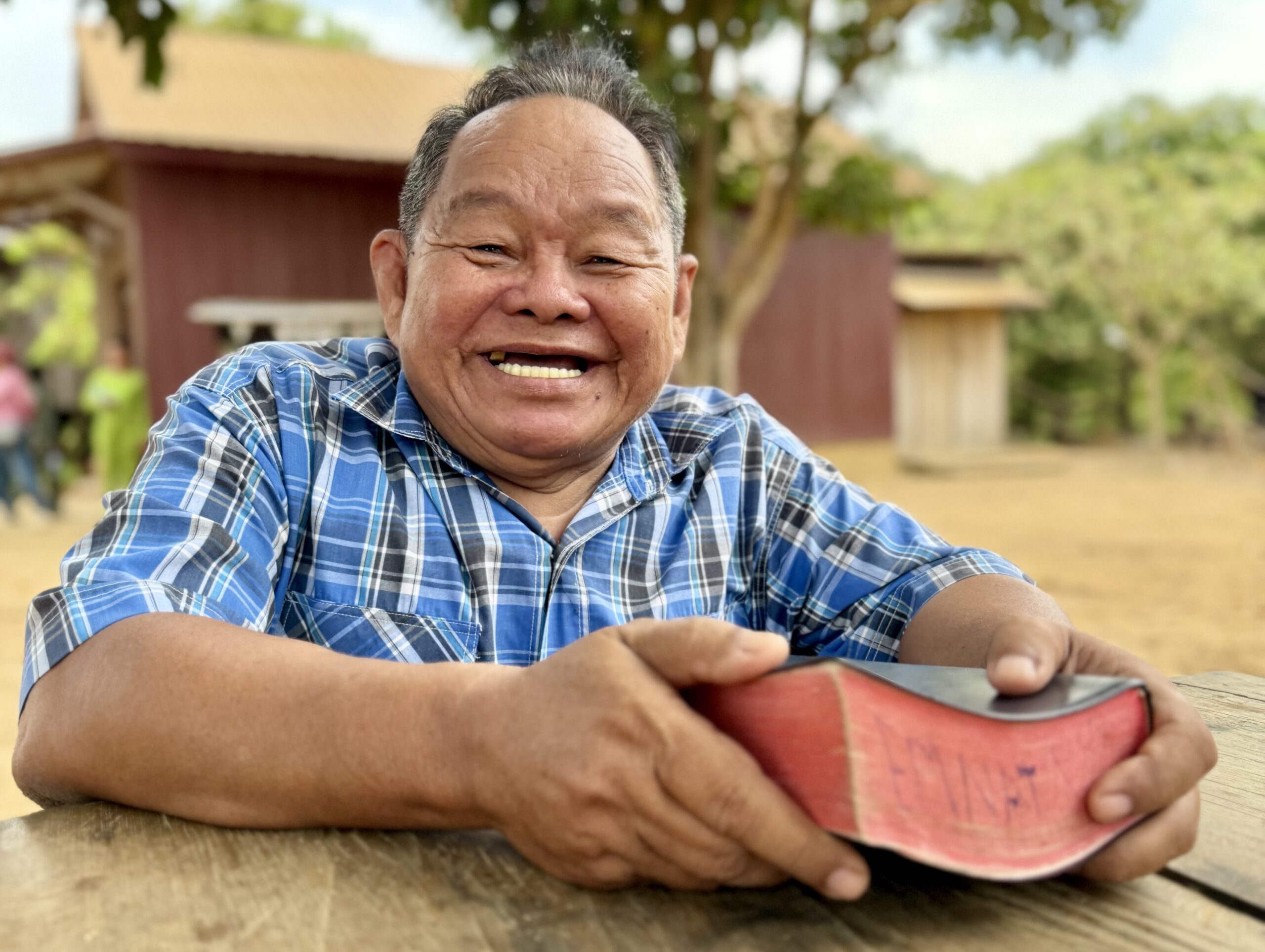
14 Years in the Dirt
When Jason first met Sun Art in 2012, he was an indigenous believer who’d felt God’s call to serve in a region with no known Christians. Zero. Not a struggling church that needed revival. Not a community with a few scattered believers. None.
Sun Art went anyway.
Over the past 14 years, he’s been a part of 60 water projects—each one an opportunity to show up in a community desperate for clean water and demonstrate Christ’s love in the most tangible way possible. Jason and I walked with villagers to the places they used to collect water. Women carrying two buckets on a wooden pole across their shoulders, four or five trips a day. Hours of their lives, every day, hauling dirty water from a polluted stream.
Through that slow, costly work, Sun Art has planted nine home churches. Around 240 people now regularly gather to worship Christ.
I need to be honest with you about something. I’ve read enough ministry reports to know that 240 believers in 14 years would make a lot of organizations uncomfortable. The pressure to report thousands of conversions and hundreds of church plants is real. I’ve seen those numbers, and I have a hard time believing a lot of them.
While I was there, I sat with a missionary who’d served 24 years in a different region. I asked her about the hardest part of her work. She told me she has to repeat the basic truths of the gospel around 100 times before it takes root. Eighty percent of the people she ministers to are illiterate. They can’t go home and read the Bible. They have to hear it, again and again and again.
That’s the ground Sun Art has been working for a decade and a half. Not flashy. Not fast. Faithful.
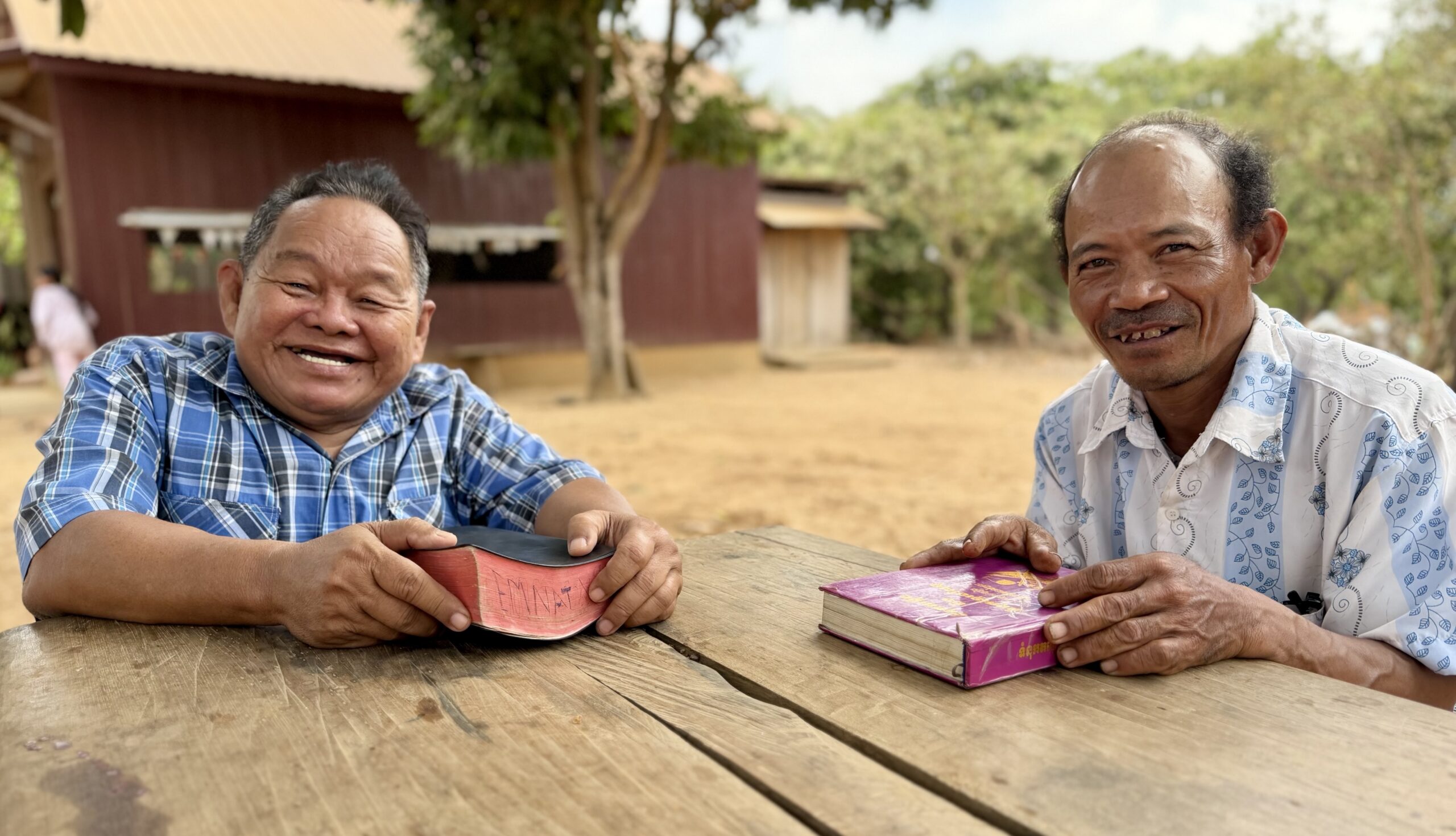
Multiplication, Not Performance
Here’s where the story gets even richer. Sun Art introduced us to Eang Nart—a man he personally led to Christ. Eang Nart then brought his family to faith. The little church building we were sitting in? That’s where Eang Nart’s group of 28 believers now meets.
This is what real multiplication looks like. Not a program. Not a conference. A humble man leading one person to Jesus, and that person leading others. No stage required.
What Cana Teaches Us About Obscurity
I’ve been reading through John with a friend, and this week we were in chapter 2—the wedding at Cana. Something clicked that I hadn’t seen before.
When the wine runs out, Mary goes to Jesus and says, “They have no wine.” That’s intercession in its purest form. Not telling God what she needs. Telling God what other people need. If you’ve ever prayed for a pastor you’ve never met, serving in a place you’ll never visit—that’s what you were doing.
Then Mary turns to the servants. Not the master of the feast. Not the bridegroom. The servants. And she says, “Do whatever He tells you.”
Whatever. Not the parts that are comfortable. Not the assignments that come with recognition. Whatever He tells you.
Sun Art heard that same word. Go to a region with no believers, no comforts, no guarantee anyone will ever listen. And he went.
But the part that really arrested me was this: when Jesus performs the miracle, He doesn’t call the VIPs over to watch. He doesn’t stage a demonstration. He tells the servants—the ones nobody’s paying attention to—to fill the jars with water. And then to draw some out and carry it to the master of the feast.
“So they took it.”
The miracle happened through humble hands in a quiet room. No fanfare. No parade. No cameras.
Isn’t that exactly the character of Christ? Born in a manger. Raised in Nazareth. The Creator of the universe humbled Himself and became obedient.
And the result? John 2:11 ends with six words: “And His disciples believed in Him.”
Faith. That’s the result of Christ working through humble servants.
That’s Sun Art’s story. A man nobody’s interviewing on television. A man working in a region most people couldn’t find on a map. And the fruit of his life is the same fruit Jesus produced at Cana—people believing.
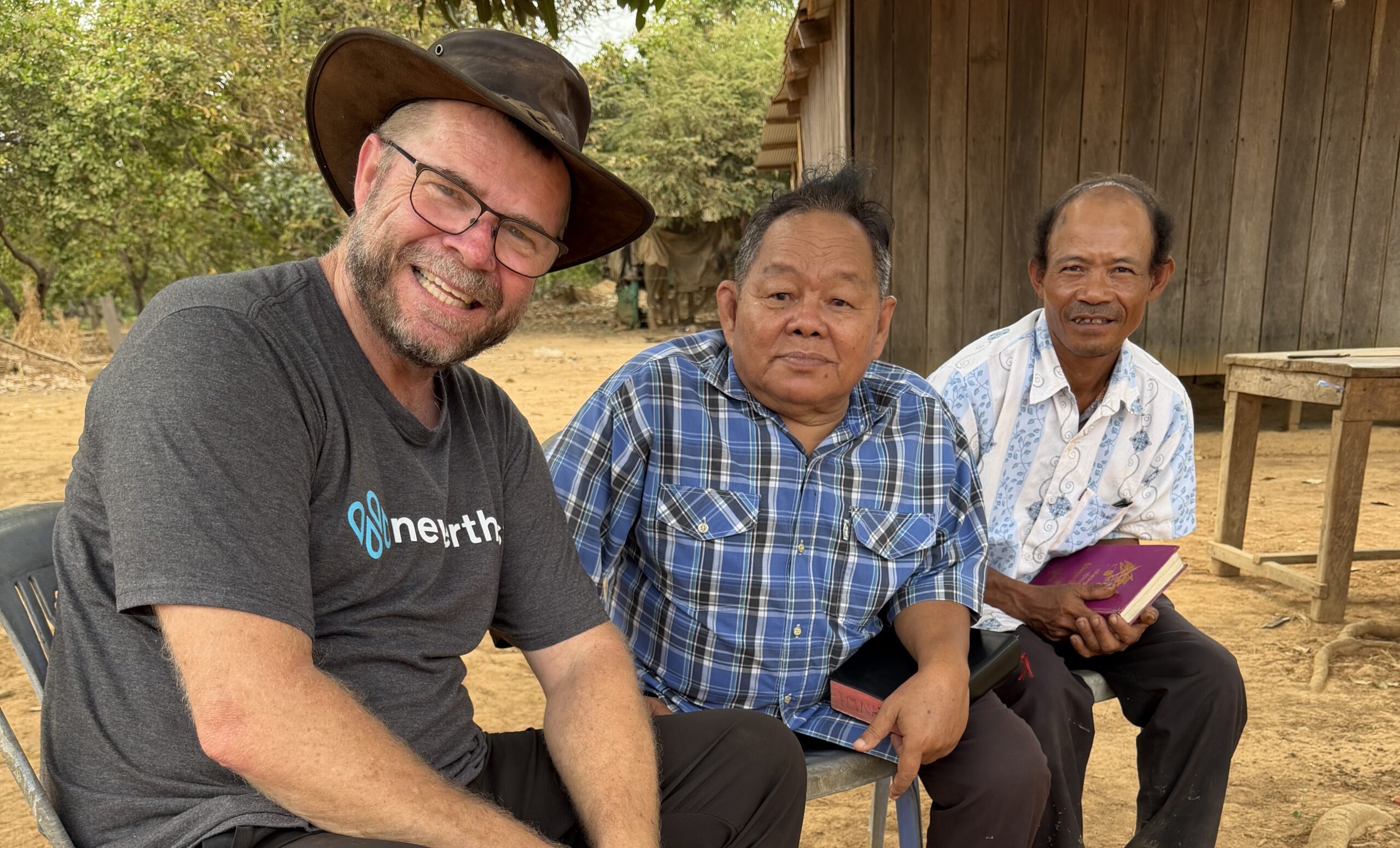
The Bigger Story
I traveled days to reach Sun Art. The roads were brutal. The accommodations were nonexistent. And I would do it again in a heartbeat, because sitting across from a man like that recalibrates everything.
We chase impact metrics and donor reports and social proof. Sun Art just shows up. Day after day, year after year, limping into communities with the gospel and clean water.
God is still doing this kind of work. Not just in Southeast Asia. Everywhere. He’s calling people to repent. He’s calling people to believe. And He’s choosing to do it through the servants nobody sees.
May God be gracious to us and bless us and make His face shine upon us, so that Your ways may be known on earth, Your salvation among all nations. — Psalm 67:1–2
